
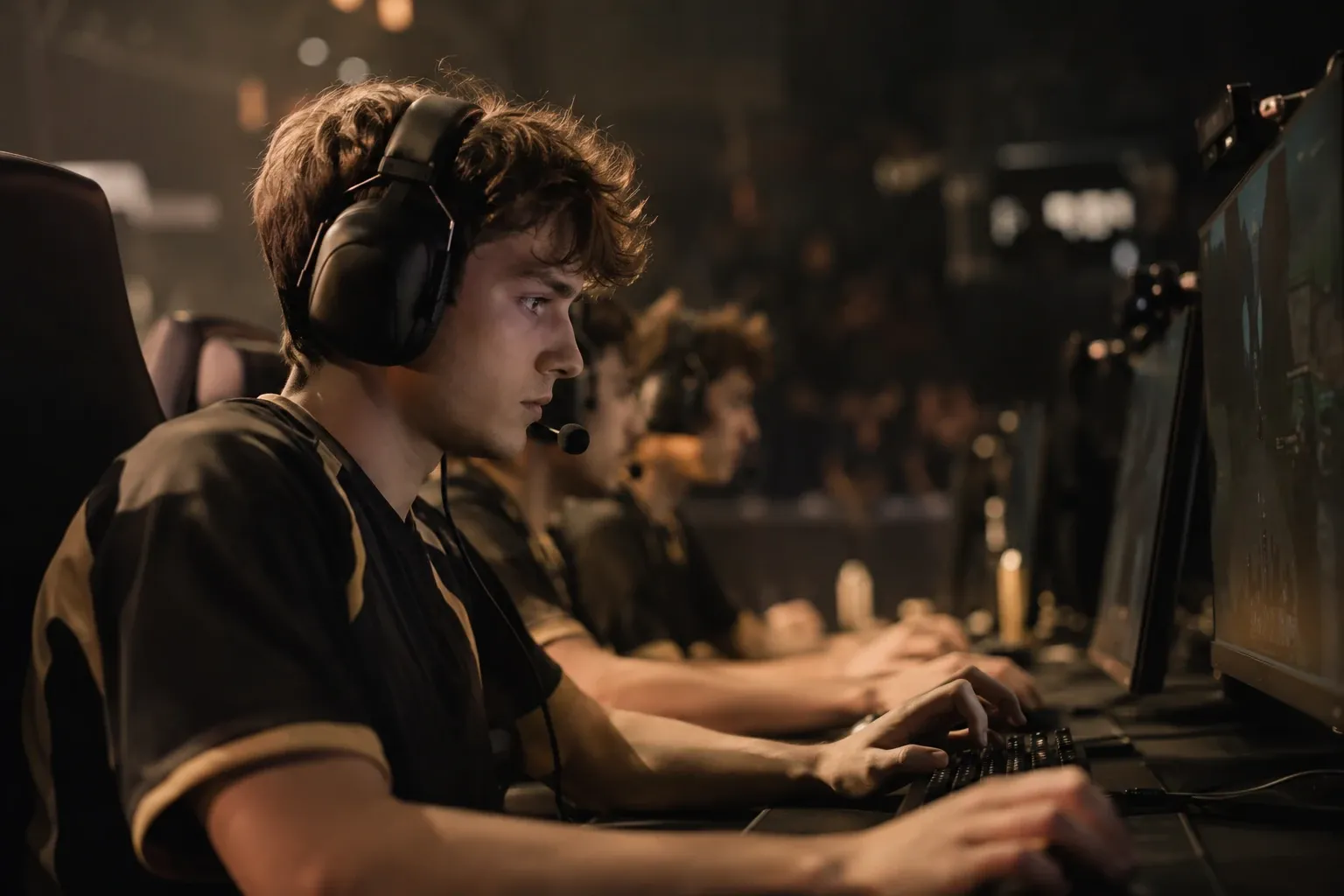
On many campuses, esports now looks a lot like other college activities: there are varsity rosters with coaches, club leagues you can enter with friends, and publisher-run circuits with real scholarship prizing. But the rules aren’t the same as NCAA sports, and the path to a roster spot or money for school depends on which league you join and which game you play. Use this guide to map your options, understand eligibility, and design a week that keeps academics first.
What counts as “college esports” today?
Unlike NCAA sports, collegiate esports lives in a mixed ecosystem. Many four‑year schools join the National Association of Collegiate Esports (NACE) for varsity‑style seasons, while two‑year colleges compete through the NJCAA Esports association (NJCAAE). Others choose publisher circuits (like College LoL or Overwatch Collegiate) or open leagues. That fragmentation is normal: these programs commonly sit outside NCAA oversight, and on some campuses are housed under Student Affairs or academic units rather than Athletics, which shapes policies and resources according to higher‑ed risk guidance from United Educators and NJCAAE’s own governance pages for two‑year schools (NJCAAE).
Who actually runs the leagues—and why it matters for you
- Four‑year varsity pathway: Many institutions coordinate through NACE seasons for multiple game titles and use “intent to compete” processes similar to traditional letters (per United Educators’ overview of NACE procedures).
- Two‑year varsity pathway: Community and technical colleges can join NJCAAE for regular season play and national championships, with program rules published in its bylaws and eligibility documents (NJCAAE documents).
- Publisher circuits: Game publishers sometimes run their own college competitions with separate eligibility and prize structures. For 2026–27, Overwatch Collegiate announced a NACE‑partnered season with a live LAN finals and six‑figure scholarship prizing (Overwatch Esports).
Why it matters: your league choice determines eligibility rules, whether scholarships exist, what “in season” means, and whether matches conflict with midterms.
Where scholarships come from (and the fine print)
- Institution‑awarded aid: Some varsity programs allocate institutional scholarships to rostered players; this is set by your college, not a national body (context from United Educators).
- Tournament prizing: Publisher or league scholarships flow through specific events. For example, the 2026–27 Overwatch Collegiate season highlights scholarship prizing tied to its varsity and open tracks. Some open leagues also advertise scholarship pools for certain tiers; always verify the current season’s rulebook and payout terms with the organizer.
Tax note: Scholarship awards from competitions can be taxable depending on jurisdiction; tournament rulebooks often remind winners to handle tax obligations—check the document for your game.
What eligibility usually looks like
Eligibility is league‑ and campus‑specific, but common patterns recur:
- Full‑time enrollment: Publisher circuits frequently require full‑time student status in an accredited two‑ or four‑year program; a well‑known college League of Legends ruleset explicitly requires full‑time enrollment and at least a 2.0 cumulative GPA for the semester of play (College LoL rules (sample)).
- Association bylaws: Two‑year programs competing in NJCAAE must follow that association’s eligibility bylaws in addition to college rules; NJCAAE posts current eligibility documents and forms on its site.
- Campus standards still apply: Many colleges set GPA or conduct requirements for any sanctioned team. Confirm with your esports director or student affairs office.
Varsity team or club league: which suits you?
- Choose varsity if you want structured practice, coaching, travel support, and possible scholarships—and you’re ready to meet league and campus eligibility every term.
- Choose club/open if you prefer flexible time commitments, want to multi‑queue titles, or need a lower‑pressure entry before trying varsity. Some open circuits publicize scholarship prizing for top tiers in a given season; always check the current season page and rulebook before you count on it.
Tip: Ask these three questions before you commit: Which league(s) does our program enter this year? What’s the exact eligibility (GPA, credits) for that league? When are matches vs. my labs or evening classes?
A week that keeps your grades intact
Design your schedule from academics outward:
- Lock your class time and two non‑negotiable, phone‑free study blocks per weekday (for example 9:30–11:00 and 15:30–17:00).
- Place scrims and VOD review only in the remaining windows; protect 7–9 study hours per weekday across classes during midterm weeks.
- Cap online ranked grinding to days without late labs; use aim or mechanics drills as a 30‑minute warm‑up instead of multi‑hour queues.
- Treat sleep as your first buff: no screens 60 minutes before bed, lights out at a consistent time.
- Share your exam calendar with your captain/coach on day one; request scrim swaps at least a week in advance.
If you’re new to time‑boxing between lectures, practices and downtime, start with the habits in our section hub on unwinding between classes and build up.
How to get on a roster this semester
- Map your options: Check if your school fields varsity rosters (NACE/NJCAAE) or runs only club teams. Your student affairs site or esports Discord usually lists them.
- Confirm eligibility: Read the current league rulebook for your title and any campus GPA/credit minimums (see the College LoL example above and NJCAAE eligibility pages for two‑year programs via NJCAAE).
- Talk to the right person: Email the esports director or club president with your role, rank, availability, and a short VOD.
- Trial like an athlete: Show comms discipline, target focus, and match‑day reliability on time zones and class conflicts.
- Keep financials realistic: If a league advertises scholarship prizing, verify amounts, distribution timelines, and whether funds credit to student accounts (as with the Overwatch Collegiate announcement for 2026–27 on Overwatch Esports).
How to know it’s working (without waiting for finals)
- Academic checkpoints: Track your cumulative GPA weekly once grades start posting; if it dips below the league or campus threshold, cut scrim hours first—not sleep or classes.
- Attendance audit: Missed lectures or labs are red flags; ask a teammate to be your accountability ping for morning classes after late matches.
- Energy and focus: If aim and reaction fall off after 90 minutes, split your practice; quality beats volume.
- Coach feedback: Share one study win and one gameplay goal at each check‑in; this makes it easier to adjust the schedule.
Quick glossary you’ll actually use
- Varsity: School‑sanctioned roster with staff oversight, often in NACE or NJCAAE seasons.
- Club: Student‑run team that competes in open or conference leagues with flexible commitment.
- Publisher circuit: A competition run or licensed by a game publisher with its own rulebook and scholarships/prizes (e.g., 2026–27 Overwatch Collegiate with NACE partnership).
Sources worth bookmarking this season
- Program structure and NCAA stance: United Educators guide for higher ed esports.
- Two‑year college governance and eligibility: NJCAAE overview and current NJCAAE documents.
- A live example of publisher‑run collegiate play with scholarship prizing: Overwatch Collegiate 2026–27 announcement.
Frequently asked questions
Is college esports run by the NCAA?
No. Collegiate esports is managed by independent leagues, publisher-backed circuits, and associations like NACE for four‑year schools and NJCAAE for two‑year colleges. The NCAA does not govern esports; many programs sit under Student Affairs or academic units instead of Athletics, which also affects policies and support.
Can I earn scholarship money from collegiate tournaments?
Yes—some circuits award scholarship prizing. For example, Overwatch Collegiate announced a 2026–27 season with a LAN finals and six‑figure scholarship prizing in partnership with NACE. Individual schools may also offer competitive awards to varsity rostered players, depending on their program.
What does eligibility usually look like?
Eligibility varies by league and your college’s rules. Publisher circuits often require full‑time enrollment and a minimum GPA (for instance, a 2.0 cumulative GPA in one well‑known college League of Legends ruleset). Two‑year college teams that compete in NJCAAE follow that association’s eligibility bylaws in addition to campus requirements.
How do varsity and club esports differ?
Varsity teams recruit, practice on set schedules, and may offer scholarships or travel support. Clubs are student‑run, usually open‑tryout or casual, and compete in open or conference-style leagues. Some campuses run both: you can trial for varsity and still play in club events if schedules allow.
How many hours should I practice without risking grades?
Anchor your week to fixed class and study blocks first, then cap team commitments (scrims, VOD review, gym) to what fits after 7–9 focused study hours per weekday across classes. Protect two no‑screen blocks daily, and track your term GPA weekly—if it dips, cut scrim volume before you cut sleep.
In this section Entertainment & Downtime