

What everyday campus life really looks like in the US
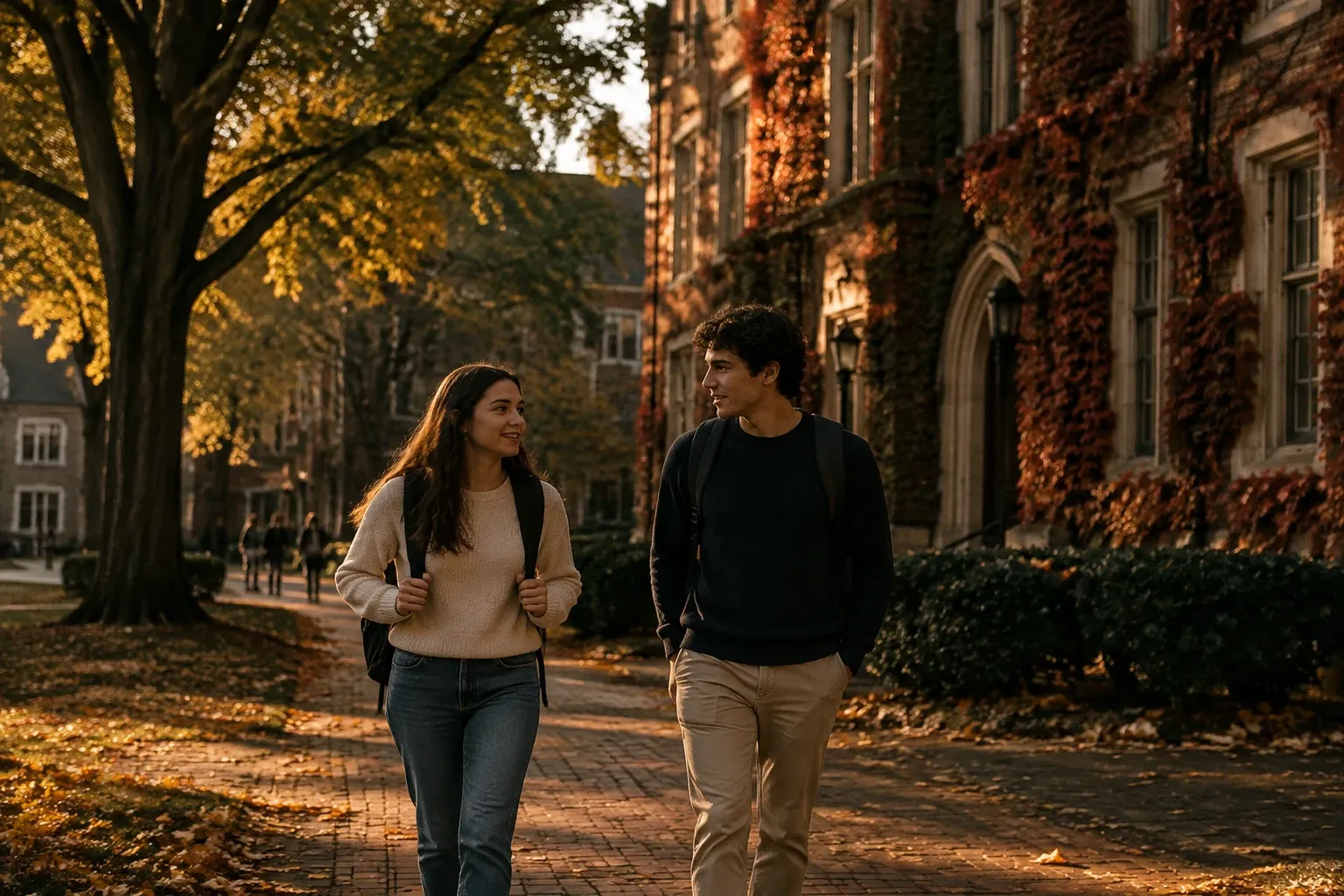
You’ve pictured lecture halls, game days and late-night study sessions—now you need the parts no brochure covers: where you’ll live, how you’ll budget, whether a job fits your schedule, and what social life actually looks like day to day. This page walks you through the moving pieces of US college life so you can decide what to try first, what to skip, and how to adjust when the semester gets real.
What does a typical week actually feel like?
Expect a rhythm of classes, labs or studios, plus independent study that often outweighs your in‑class hours. Many students layer in a part‑time job and 2–3 regular activities (club, sport, or volunteering). Protect your sleep window—public‑health guidance recommends adults 18–60 get at least 7 hours per night, according to the CDC.
Where will you live—and with whom?
First‑years typically start in residence halls. If you’re weighing the pros and cons of shared bathrooms, quiet hours and RA support, read about what dorm life is really like. If you can choose a roommate (or you’re not clicking with the one you have), use these tips on living with a roommate to set ground rules early and handle conflicts before they snowball.
Off‑campus options later on
From sophomore year, many students look at apartments or shared houses. Compare commute time to class, total monthly cost (rent + utilities + transit), and your ability to focus at home. A 10‑minute walk often beats a cheaper place that turns every lecture into a bus sprint.
How do you budget without killing your social life?
Map fixed costs (tuition/fees, housing, meal plan or groceries, phone, transit) and your flexible spending (coffee, streaming, going out, trips). Build from a realistic baseline using our guide to a college student budget. Then set weekly caps for categories you tend to overspend.
Should you add a job—and which kind?
Working while enrolled is common: in 2020, 40% of full‑time and 74% of part‑time undergraduates held jobs, per the National Center for Education Statistics. If you qualify for need‑based aid, the Federal Work‑Study program funds part‑time roles, often on campus, so your supervisor understands exam seasons. Not eligible for Work‑Study? Campus departments and nearby businesses still hire; ask about typical weekly hours and shift flexibility before you commit.
Time math that actually works
- Start at 12–15 credit hours. For each credit, block 2–3 hours of study. A 15‑credit load means ~30–45 hours of study time across the week.
- Add your work hours and fixed commitments (practice, labs) before sprinkling in social plans.
- Keep one “catch‑up” block on weekends to absorb surprise deadlines.
What does social life look like beyond stereotypes?
You’ll find everything from board‑game clubs to salsa nights. If you’re curious about fraternities and sororities, read our plain‑English guide to Greek life—what membership costs, time demands, and how recruitment works—so you can decide if it fits your personality and schedule.
How do you stay safe and informed on campus?
US colleges that receive federal student aid must publish an Annual Security Report and keep a Daily Crime Log under the Clery Act; these documents explain safety policies and list certain campus‑area crimes from the three most recent calendar years, according to the Department of Education’s consumer information rules. Before late‑night events or new study spots, skim your school’s latest reports to understand patterns in the locations you use.
What should international students watch for?
If you’re new to US campus culture, preview dorm expectations, time‑zones for calling home, and campus resources (writing center, counseling, international student office). Many on‑campus jobs run through Work‑Study or student employment; your visa may have limits, so ask the international office to confirm before accepting hours. If you qualify for aid, learn how Work‑Study jobs are structured and how pay schedules work.
How to choose what to try first
- Pick one anchor community: a dorm floor group, cultural club, intramural team, or service org.
- Add one practical support: a weekly study group or writing‑center session.
- Add one flexible outlet: a campus job, arts workshop, or open‑gym slot you can scale up or down.
Revisit after two weeks: keep what energizes you, drop what drains you, and backfill with options from the campus events calendar.
Quick checks to know your plan is working
- You’re sleeping 7+ hours most nights (per CDC guidance) and can follow lectures without re‑reading every slide.
- Your budget covers fixed costs and you still have a small weekly buffer; if not, trim one category or add a few more hours at work.
- You know where to find your school’s Annual Security Report and Daily Crime Log, as required by the Clery Act rules.
- You can name two people you’d text to study or grab food with this week.
Where to go next
- Figure out the unglamorous basics of halls and roommates with dorm life advice and our guide to choosing a roommate.
- Build a spending plan that matches your campus with a realistic student budget.
- If you’re exploring jobs, start with how work‑study works and then ask departments about similar roles.
- Curious about fraternities or sororities? Get the essentials in our Greek life explainer.
Frequently asked questions
Can you work part-time while studying full-time?
Yes—many students do. In 2020, 40% of full-time undergraduates worked while enrolled, according to the National Center for Education Statistics. If you qualify for need-based aid, the Federal Work-Study program can place you in part‑time roles, often on campus.
What is a realistic sleep target for college students?
Public health guidance recommends adults 18–60 aim for at least 7 hours of sleep each night. Protecting that window—especially before exams—helps your focus, mood and immune system, and it’s one of the simplest performance boosts you can control.
How do I check campus safety information before choosing activities at night?
Every US college receiving federal aid must publish an Annual Security Report and keep a Daily Crime Log under the Clery Act. Look them up on your university’s site to see recent incidents and safety policies in your area of campus.
Is Greek life the only way to make friends?
Not at all. Fraternities and sororities are one option; you can also meet people through dorm events, intramurals, cultural and academic clubs, volunteering, and part‑time campus jobs. Choose settings that match your energy and schedule.
How much social time can I fit in a week without slipping on classes?
Start by time‑blocking your non‑negotiables (classes, labs, work, sleep). Add 1–2 recurring social blocks on lighter days, and protect a weekly catch‑up block for readings or problem sets. Adjust after your first two weeks based on what actually takes time.